Diversity and inclusivity in modern modelling
Published 8 February 2026
Spend enough time working in the UK industry and you notice the gap. The covers changed. The runways changed. Some of the conversations changed. The casting sheets changed more slowly.
This is not an article about that gap being insurmountable. It is about what genuine progress looks like, where it is happening, and what still needs scrutiny.
What has actually changed
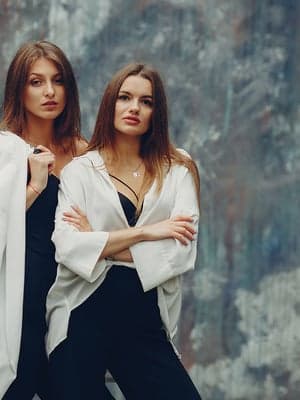
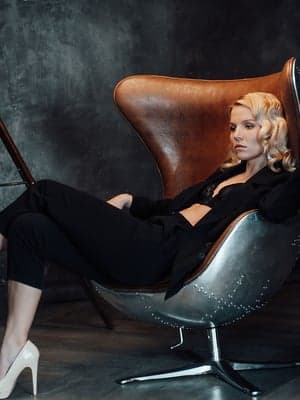
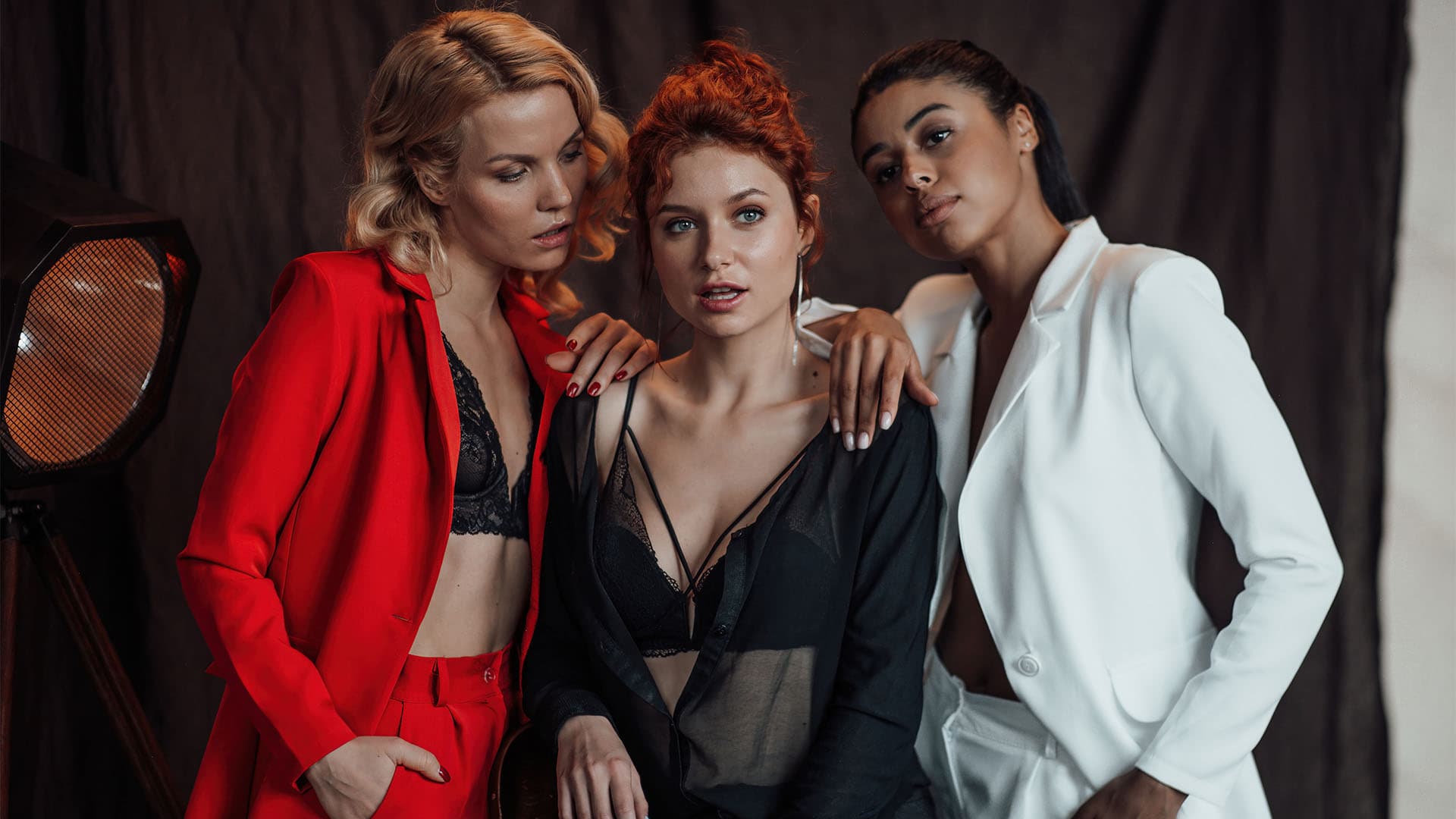
The most visible shift has been at the top of the market. Mainstream fashion (luxury houses, major UK retailers, premium magazines) now casts with demonstrably more range than it did ten years ago. Body diversity, age diversity, and ethnic diversity are all more present on editorial pages.
Some of that is values-led. Some of it is market-led: the customer base for fashion is broader than the industry spent a long time pretending it was, and brands have noticed. Both motivations produce the same outcome: more models of more backgrounds working in editorial contexts that would have been largely closed to them a decade ago.
Where the work is still uneven
Commercial and catalogue work, which employs far more models than editorial, has moved more slowly. Catalogue briefs are often client-driven and clients can be conservative. A supermarket wanting a family image will frequently default to assumptions about what family looks like.
Fitness modelling has struggled with body image pressures that have intensified rather than eased in the social media era. The metrics have changed but the underlying pressure to meet a specific physical ideal has not gone away.
Age is perhaps the most persistent gap. The industry has a long history of treating older models as a niche rather than a market segment. That is beginning to shift. There is genuine commercial appetite for models over 35, over 45, even over 60. But the pipeline of working models in those age groups is still thin, in part because the entry-level pathways into the industry have historically discouraged older beginners.
Disability and modelling
This is the area with the most distance to cover. Models with visible disabilities are underrepresented across every category, and the structural barriers compound each other: accessibility at studios and locations, assumptions from casting agents, a lack of representation in mainstream agency rosters.
The brands that have made real commitments here (Primark's inclusive collections, ASOS's long-standing policy, a growing number of independent UK labels) demonstrate that the market exists. The gap is not demand. It is industry habit.
What a marketplace platform can do
A marketplace cannot fix the structural dynamics of an industry. It can refuse to reproduce them.
On MintedModels, models are found through filters: speciality, location, availability, look. The platform does not surface some profiles over others based on undefined editorial curation. A photographer looking for a commercial model in Birmingham searches and finds. That direct search model means models who might not fit a traditional agency's aesthetic still get found by the professionals looking for them.
This is not a solved problem. It is a structural difference that, in practice, opens doors for talent that traditional routes might not.
For models
If you have been told the industry is not for you (because of your age, your size, your background, or any other factor) that assessment may have been accurate for the narrow slice of the industry that was doing the telling.
The industry is not a single thing. Commercial work and editorial work and fitness work and hair work and promotional work and a dozen other categories. The look that does not fit one category fits another. The experience that feels like a mismatch for one client is exactly what another needs.
Build the portfolio. Find the right category. Find the right clients.