
Fitness
Performance, form, and the work behind the frame.
Fitness modelling has expanded significantly as the activewear and wellness industries have grown. What was a niche category fifteen years ago is now one of the most commercially active areas of the market.
The work covers activewear and sportswear campaigns, gym and supplement brand advertising, sporting lifestyle imagery, app and platform content, personal trainer profiles, and editorial coverage of sport and wellness. The common requirement is that the model communicates physical capability and an active lifestyle.
The fitness modelling market has moved away from the narrow aesthetic that defined it a decade ago. Brands increasingly want models who look like they actually train, who have the functional fitness their customer base aspires to, rather than models who simply have a specific physique. This has opened the category to a wider range of body types and sporting backgrounds.
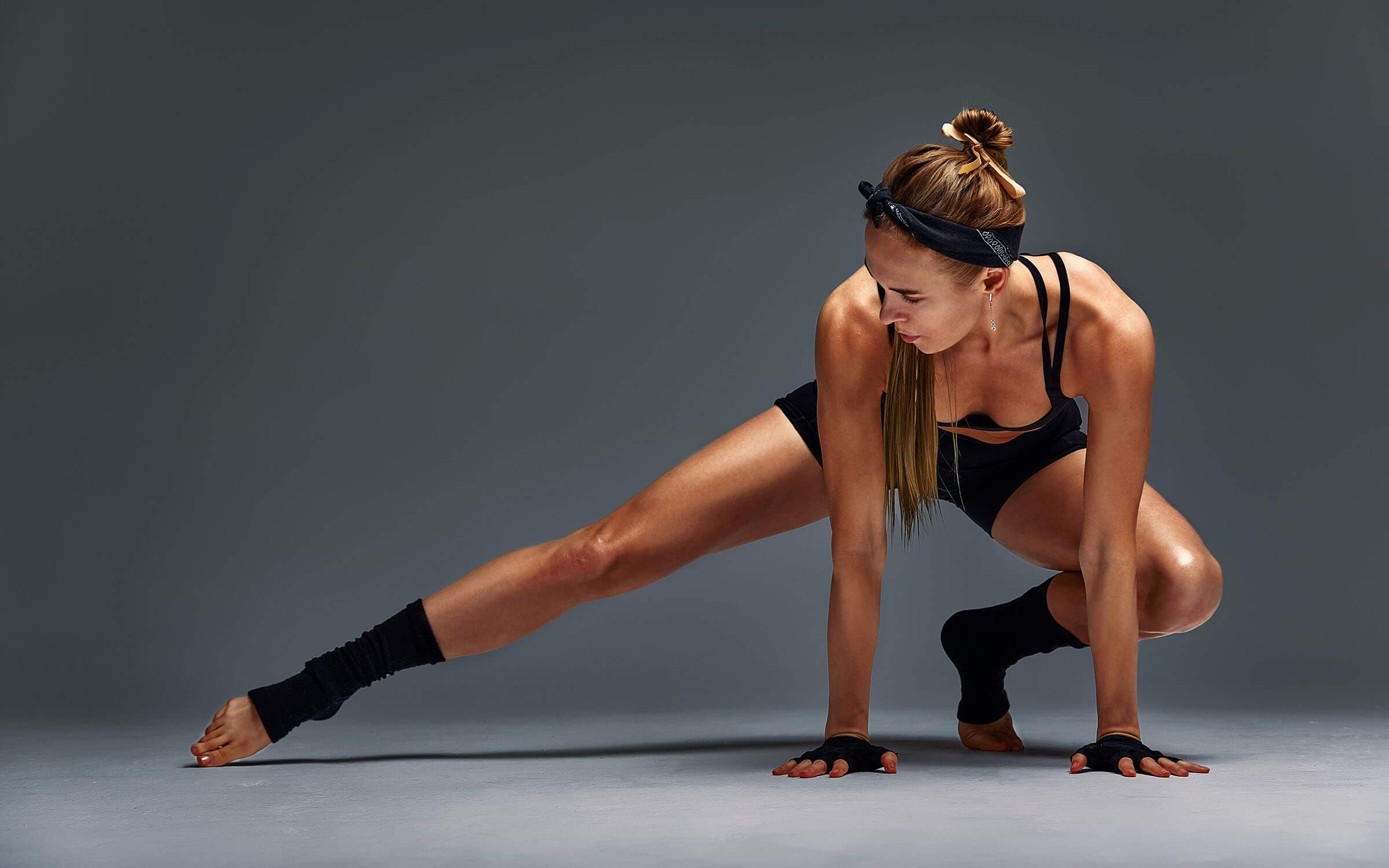
Good fitness models understand how to demonstrate movement and form in front of a camera. The poses and positions that communicate strength and athleticism in a photograph are specific: a deadlift that looks good in motion often looks odd frozen in a frame. Understanding how to hit positions that read well on camera, while still looking natural, is the core skill here.
A strong fitness portfolio shows active and rest poses, at least one outdoor image and one studio image, clear evidence of physical conditioning, and imagery that feels authentic rather than staged.
Fitness models on the roster

27 · Brighton, United Kingdom
34 · Clearwater, United States

39 · London, United Kingdom
33 · Carmel Valley, United States

25 · Wigan, United Kingdom
31 · Manchester, United Kingdom

30 · London, United Kingdom
38 · London, United Kingdom